
Key Takeaways:
- Septic systems require diligent maintenance to prevent costly and hazardous failures, as property owners — not municipalities — are responsible for their own wastewater treatment.
- Common issues like drain field clogs, flooding, root damage, and aging systems can often be repaired, but severe cases or system lifespan limits may require full replacement.
- Advanced aerobic systems offer more efficient, environmentally friendly wastewater treatment but involve higher installation and maintenance costs.
- Mathis & Sons Septic provides professional inspection, repair, and emergency services to ensure the safety and reliability of septic systems across Central Florida.
A well-maintained septic system is a nonnegotiable part of owning a home or business in Florida. Unlike properties connected to municipal sewer lines, those with septic systems are responsible for their own wastewater treatment.
This is a complex process that, when working correctly, is completely out of sight and out of mind. However, when issues arise, they can range from a minor, inconvenient clog to a dangerous and costly health hazard. Knowing when to simply repair a problem versus when a full system replacement is necessary is critical for every property owner.
This comprehensive guide will walk you through the most frequent septic system problems, including failures of drain fields, advanced aerobic systems, septic tank collapses, household backups, and specialized lift stations. By understanding the signs and solutions for each, you can protect your property, your health, and your wallet.
Whether you need urgent repair or are considering system upgrades, Mathis & Sons Septic is here to help.
Septic Drain Fields: Common Failures and Repair Options
At the heart of any conventional septic system lies the drain field. This component, a network of perforated pipes buried in a series of trenches filled with gravel or crushed stone, is the final and most crucial step in the wastewater treatment process. After solid waste settles in the septic tank, the residual liquid effluent flows out into the drain field.
There, it slowly trickles out of the pipes, is absorbed by the surrounding soil, and is naturally filtered and purified by the soil’s microorganisms before reentering the groundwater. This entire process relies on the delicate balance of a healthy soil ecosystem and proper drainage.
When this balance is disrupted, the drain field can fail. The most common causes of failure are:
- Clogs and Overload: The most frequent culprit is the accumulation of solids. While a properly maintained tank should trap these, years of neglect or flushing nonbiodegradable items (like wet wipes, paper towels, or feminine hygiene products) can lead to solids escaping into the drain field, physically clogging the soil and pipes.
- Flooding and Soil Saturation: Florida’s climate, characterized by heavy rains and a high water table, can overwhelm a drain field. When the surrounding soil becomes saturated with rainwater, it can no longer absorb the effluent from the septic system. This causes the system to back up, leading to serious plumbing issues inside the home.
- Tree Roots: The search for water and nutrients is a relentless drive for tree and shrub roots. If planted too close to the drain field, their roots can grow into the pipes, crushing them or creating a dense, impenetrable network that blocks the flow of wastewater.
- Age and Neglect: Even with perfect maintenance, a conventional drain field has a finite lifespan, typically 20–30 years. Over time, the soil becomes irreversibly “clogged” with organic materials, a process known as biomat formation, which prevents proper absorption.
The warning signs of a failing drain field are often subtle at first and become progressively worse. They include slow-draining sinks and toilets, gurgling sounds from the plumbing, and persistent foul odors around the septic area. Most notably, homeowners may see standing water or unusually lush, green patches of grass in the area above the drain field, even during dry spells.
Deciding between repair and replacement is a critical choice that a professional can help you make. Minor issues, such as a localized clog or a single damaged pipe, may be candidates for a targeted repair. However, if the entire field is saturated, if multiple pipes are collapsed from roots, or if the system has simply reached the end of its lifespan, a full replacement is the only viable long-term solution.
A professional inspection, including soil tests and a camera inspection of the pipes, can provide the definitive diagnosis you need. For any issue, seeking septic drain field repair from a professional is the best way to make sure the problem is correctly diagnosed and resolved.
Aerobic Septic Systems: An Advanced Alternative
For certain properties, a conventional septic system simply isn’t an option. This is where an aerobic septic system provides an advanced and highly effective alternative. Unlike traditional anaerobic systems that treat waste in the absence of oxygen, aerobic systems actively pump oxygen into the septic tank. This process encourages the growth of oxygen-loving bacteria that break down waste much more quickly and efficiently. The result is a highly treated effluent that is significantly cleaner than that of a conventional system.
These systems are often required by local and state regulations in specific situations. In Florida, where a high water table and specific soil conditions are common, an aerobic system may be mandated to prevent groundwater contamination. They are also an excellent choice for properties with limited land or for those that need to discharge treated water near sensitive bodies of water.
The primary advantages of aerobic systems are their superior efficiency and environmental safety. They can be installed in areas with poor soil, and the treated effluent can be safely discharged into a small spray field, even on small lots.
However, these benefits come with trade-offs. Aerobic systems are more expensive to install due to the additional mechanical components like the aerator pump, control panel, and alarm system. They also require more frequent maintenance and consume electricity to run the pump, which means higher operating costs.
Regular inspections and proper aerobic septic system treatment are essential to keep the system running effectively. The mechanical parts must be checked periodically, and the system must be pumped regularly to remove the sludge buildup.
Septic Tank Collapse: A Serious Emergency
A septic tank is a comprehensive structure designed to withstand tremendous pressure from the surrounding soil and the weight of the waste it holds. However, certain conditions can lead to a catastrophic failure known as a septic tank collapse:
- Vehicle Weight: The most common cause is the weight of heavy vehicles driving or parking over the tank. While a tank is buried deep, it’s not designed to bear concentrated loads.
- Structural Deterioration: Older septic tanks, particularly those made of concrete or steel, can deteriorate over decades due to corrosion, cracking, or material fatigue.
- Neglect and Poor Maintenance: An empty tank, for example, can be susceptible to “floating” and buckling during a flood. A full tank, on the other hand, puts undue pressure on the walls and lid.
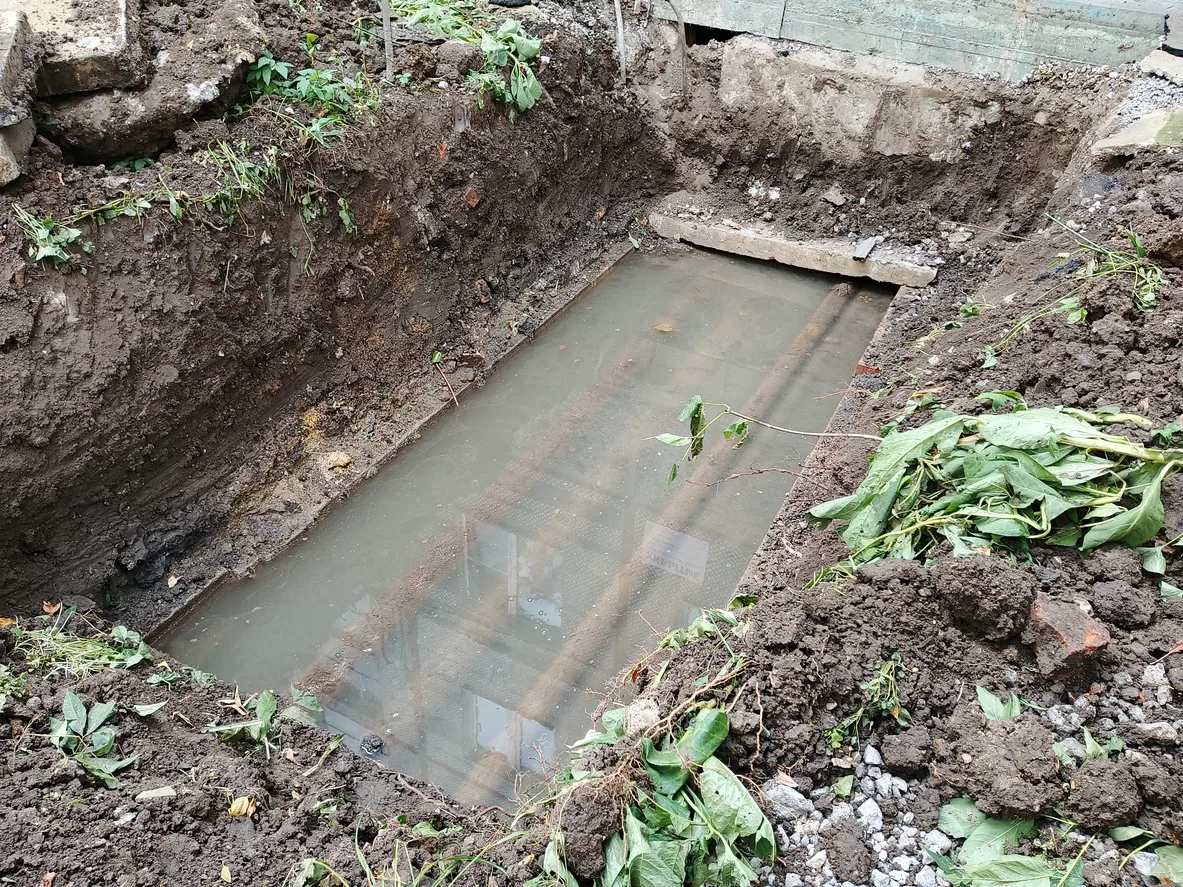
A collapsed tank poses an immediate and grave danger. It can create a sudden sinkhole, a terrifying and hazardous opening in your yard that could swallow a person or a pet. It also exposes the raw sewage within the tank, creating a severe biohazard risk from bacteria and pathogens. The signs of a potential collapse require immediate attention: sudden, deep depressions or sinkholes in the ground, a strong and overpowering sewage odor, or the abrupt failure of your entire septic system as the main sewer line collapses with the tank.
Repairing a collapsed tank is rarely an option. Once the structural integrity is compromised, the only safe and effective solution is a full replacement with a new, structurally sound tank. Attempting to “patch” or repair a failed tank is not only unsafe, but could also lead to a recurrence of the problem.
Septic System Backups: Quick Fixes and Prevention
A septic system backup is a homeowner’s nightmare. It’s when wastewater from the septic system flows backward, causing toilets to overflow, sinks to drain slowly, and gurgling sounds to echo through your pipes. The common causes of these backups can be broken down into three categories:
- Clogs: The most frequent cause is a physical blockage in the main sewer line leading from your house to the septic tank. This can be caused by flushing nonbiodegradable items or a buildup of grease and food scraps.
- A Full Septic Tank: If a septic tank hasn’t been pumped in a long time, the sludge and scum layers can build up to the point where they block the outlet pipe. When this happens, wastewater has nowhere to go but back into your home.
- System Overload: Using too much water in a short period (e.g., running multiple showers and washing machines at the same time) can overwhelm the system and cause a temporary backup.
The early warning signs are crucial to catching a septic system backup before it becomes a disaster. Look for gurgling toilets, slow drains, or a foul odor coming from your drains. If you notice these, your first step should be to stop all water usage in your home. This gives the system time to catch up and can sometimes resolve a minor backup on its own.
If the problem persists or if you see sewage backing up, do not attempt to fix it yourself. A professional can diagnose the problem with a camera inspection, locate a clog, or perform an emergency pump-out to relieve pressure.
Preventive strategies are your best defense against backups. Be mindful of what goes down your drains and avoid flushing anything but human waste and toilet paper. Be careful with grease and food scraps. Schedule a regular septic tank pumping, typically every three to five years, to prevent sludge from building up.
Lift Stations: Critical for Specialized Wastewater Needs
So, what is a lift station? A lift station is a vital mechanical component of a septic system that is used in specific, nontraditional plumbing scenarios. It’s a pump system designed to move wastewater from a lower elevation to a higher one, or to transport it over long distances where gravity cannot provide the necessary flow. A lift station typically consists of a sump basin, a submersible pump, a control panel, and an alarm system. When wastewater reaches a certain level in the basin, the pump automatically activates, pushing the wastewater up to the level of the septic tank or sewer line.
These stations are crucial for properties with a septic tank located on an uphill slope from the house, for homes with basement bathrooms, or for commercial properties with complex plumbing layouts. They are also common in community septic systems where a centralized treatment area is located at a higher elevation.
The installation and maintenance of lift stations are specialized tasks that require professional expertise. A properly installed and maintained lift station can operate for many years without issue. However, neglect can lead to catastrophic failure. If the pump fails, the basin will quickly fill and overflow, leading to a sewage backup. Regular inspections, cleaning of the pump, and testing of the alarm system are crucial to preventing a breakdown.
When to Call Mathis & Sons Septic
While understanding the basics of septic systems can empower homeowners, certain issues require the expertise of a professional. For over 30 years, Mathis & Sons Septic has been Central Florida’s trusted partner in septic system care. Our team of experienced technicians has the knowledge, equipment, and advanced repair capabilities to diagnose and solve any septic challenge, from minor clogs to full-scale emergencies.
We understand that septic issues can happen at any time, which is why we offer 24/7 availability for urgent repairs. Our rapid response can be the difference between a small problem and a costly disaster. We use state-of-the-art camera inspection tools to accurately locate and assess blockages or damage, and we provide transparent estimates before any work begins.
This commitment to quality and honesty is what sets us apart. From drain fields to lift stations, Mathis & Sons is your trusted septic partner in Central Florida.
Don’t wait until it’s too late. Contact Mathis & Sons Septic today for an inspection, repair, or consultation.