- A septic system’s components include a septic tank and a drain field, working together to treat and dispose of household wastewater effectively.
- Anaerobic bacteria in the septic tank and aerobic bacteria in the drain field break down waste, ensuring the system functions properly and safely.
- To avoid costly repairs, maintain your septic system with regular inspections, water conservation practices, and proper waste disposal methods.
A septic system is an essential component of many homes, particularly in rural areas without access to centralized sewer systems. About one-third of Americans rely on a septic system to treat household waste, a common choice in rural areas where homes are spread too far apart to make centralized sewer systems practical. Understanding how a septic tank system works can help homeowners maintain their systems effectively and avoid costly repairs and environmental hazards. Let’s look at the septic system’s main components, how it functions, and the critical role that bacteria play in breaking down waste.
Septic System Components and Functions
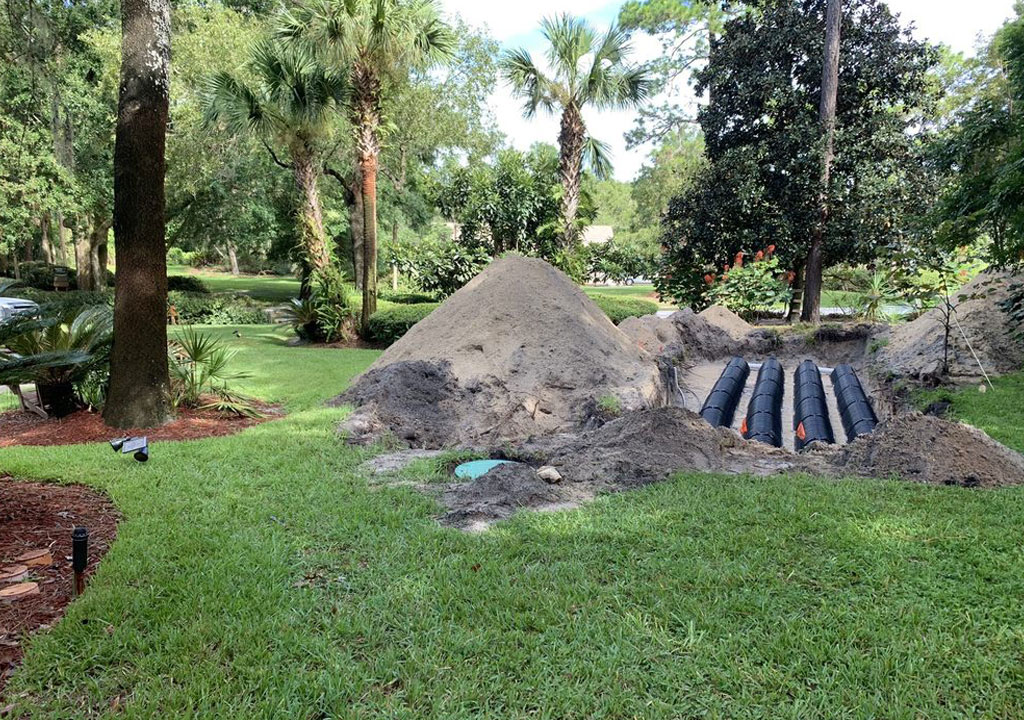
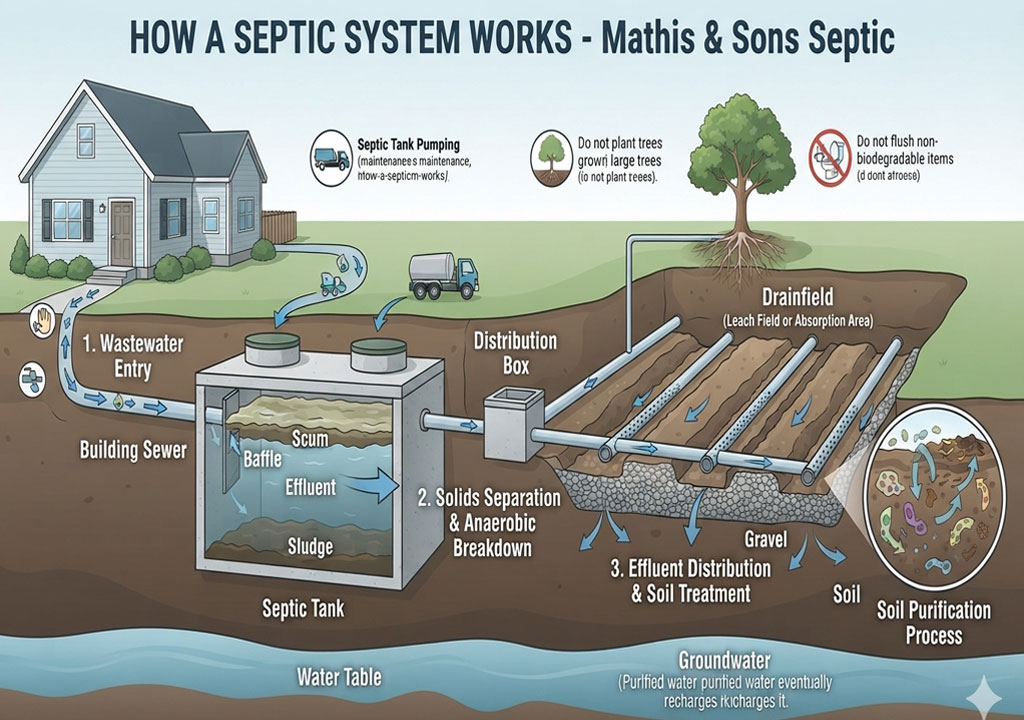
A septic tank system has two main components: the septic tank and the drain field (also known as the leach field). These components work together to treat and dispose of household wastewater.
All of the pipes in your home, from the toilet, shower, dishwasher, and washing machine, meet at one centralized pipe that connects to the septic tank buried outside. Wastewater flows into one end of the tank and out the other, with the entire system powered by gravity rather than electricity, allowing everything to flow naturally downhill.
Septic Tank: This watertight container — typically made of concrete, fiberglass, or plastic — is buried underground. It receives wastewater from the home, allowing solids to settle at the bottom as sludge while oils and grease float to the top as scum. The tank separates these materials from the liquid wastewater, known as effluent, which flows into the drain field.
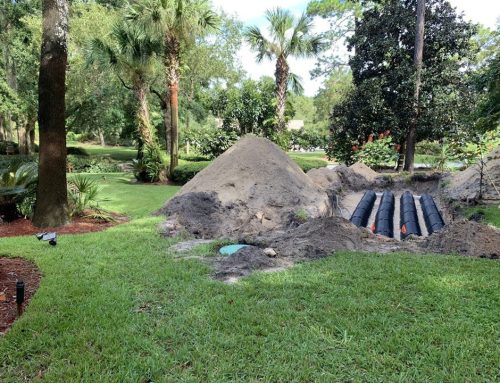
Drain Field: This is a network of perforated pipes laid in trenches that are filled with gravel or other aggregate material. The effluent from the septic tank is distributed evenly into the soil through these pipes. The soil acts as a natural filter, removing harmful bacteria, viruses, and nutrients as the wastewater percolates down to the groundwater. Because of the water and nutrients absorbed above the drain field, the ground in that area is often noticeably more fertile. Soil microorganisms play a crucial role in breaking down remaining organic matter and pathogens, ensuring the water reaching the groundwater is safe.
The Purpose of Septic Tank Bacteria in Breaking Down Waste
Bacteria are the unsung heroes of a septic system. These microorganisms are essential for the decomposition of organic matter in wastewater. There are two types of bacteria involved in this process: anaerobic bacteria (which thrive in the absence of oxygen) and aerobic bacteria (which require oxygen).
Anaerobic Bacteria: These bacteria are primarily found in septic tank systems. They break down the organic matter in the sludge and scum layers, reducing their volume and transforming them into simpler compounds. This process is known as anaerobic digestion and is crucial for preventing the buildup of solids in the tank.
Aerobic Bacteria: Once the effluent reaches the drain field, aerobic bacteria in the soil further decompose any remaining organic matter. These septic system bacteria are highly effective at breaking down pathogens and nutrients, assuring that the treated water is safe to return to the groundwater system.
Maintaining Your Septic System
Proper septic tank maintenance is essential to keep your system functioning efficiently. Here are a few tips:
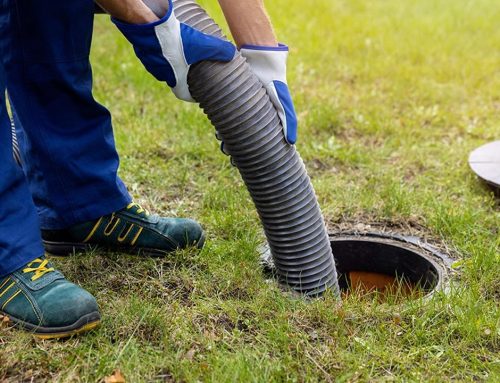
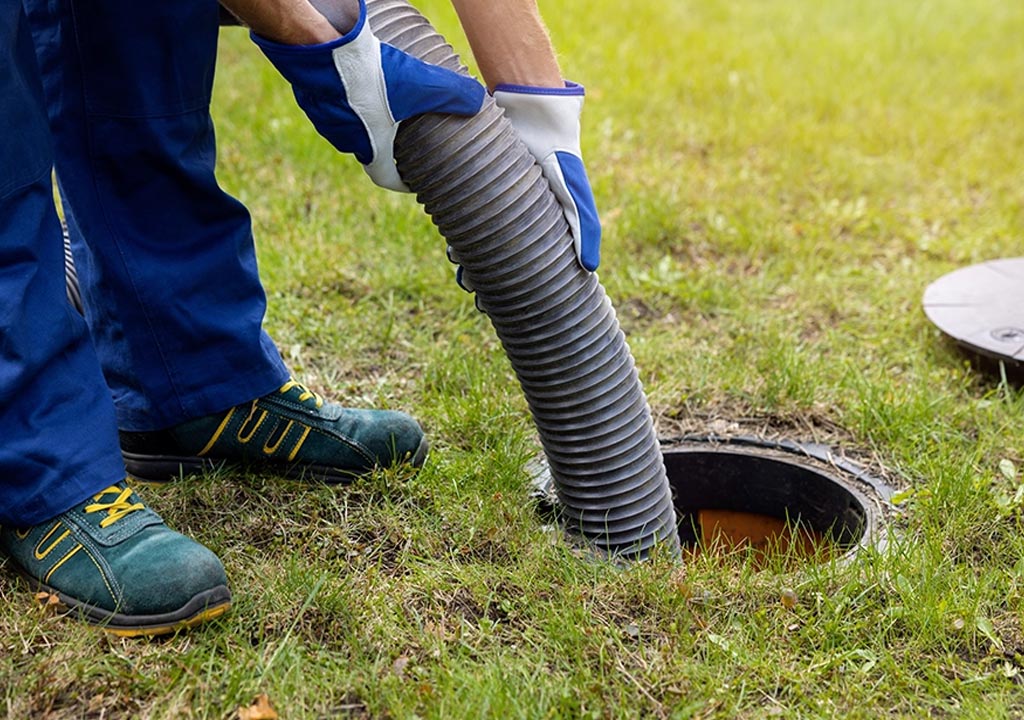
- Regular Inspections and Pumping: Have your septic system inspected by a licensed professional at least every three years and pumped as needed (typically every three to five years) to prevent sludge and scum buildup.
- Water Conservation: Reducing water usage can prevent overloading the septic system. Fix leaks and use water-efficient fixtures to minimize the volume of wastewater entering the system.
- Proper Waste Disposal: Avoid flushing non-biodegradable items, grease, or harmful chemicals down the drain, as these can disrupt the septic system’s bacterial balance and create clogs.
If you are unsure where your septic tank is buried, a professional can help you locate it and walk you through the normal sounds and smells your system produces, so you know what to expect and when something may be wrong.
Understanding the basics of how a septic tank system works, its components, and the critical role of bacteria can help homeowners take the necessary steps to maintain their systems properly. By doing so, you can prevent costly repairs, protect the environment, and ensure the longevity of your septic system.
If you’re searching for a reliable Orlando septic service, Mathis & Sons Septic is here to help. With more than 30 years of experience serving Orlando, Florida, and the surrounding areas, our licensed and insured team can handle all your septic and outdoor plumbing needs. Contact us today for prompt and reliable service!