Key Takeaways:
- Most costly septic issues are preventable through regular maintenance, awareness of daily habits, and prompt attention to early warning signs.
- Common mistakes include skipping pump-outs, flushing harmful materials, overloading the system with water, and relying on additives.
- Preventive care includes routine inspections, using septic-safe products, spacing out water use, and watching for red flags like odors or slow drains.
- Establishing daily, seasonal, and annual septic tank maintenance routines helps extend system life and avoid expensive repairs.
You don’t usually think about your septic system — until there’s a problem. But the truth is, most costly septic emergencies stem from simple, avoidable mistakes. By practicing everyday awareness and staying on top of routine septic maintenance, you can keep your system running smoothly and your repair bills low.
This guide breaks down the most common missteps that lead to service calls and explains what you can do daily, seasonally, and annually to protect your system and your wallet.
Mistake #1: Skipping Regular Pump-Outs and Inspections
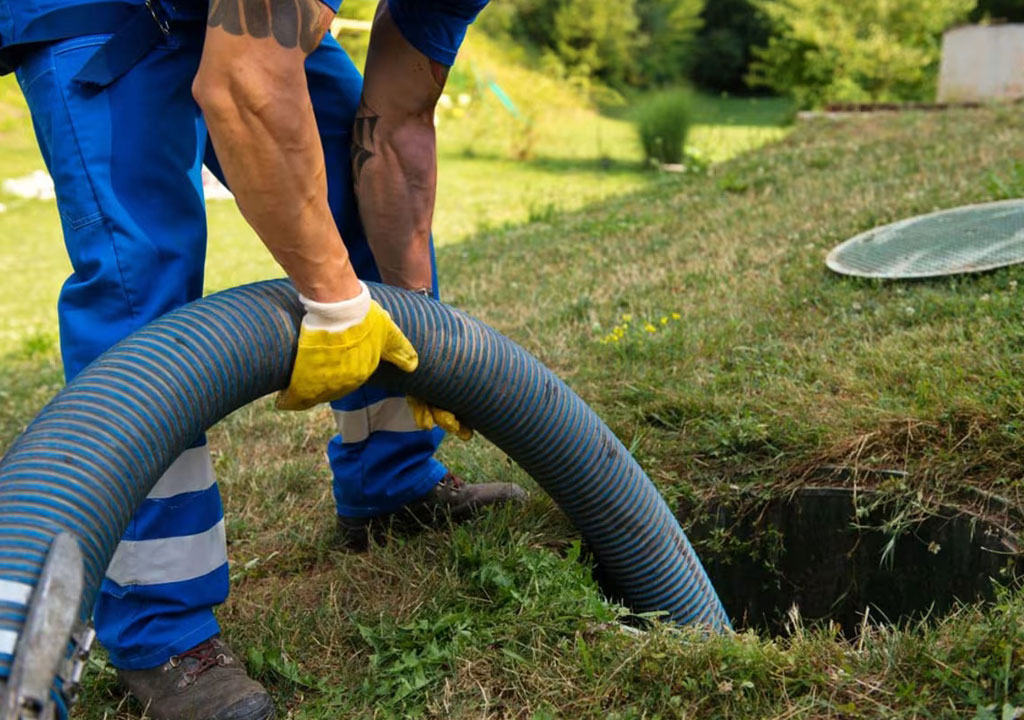
When it comes to septic system preventative maintenance, there’s no substitute for scheduled pump-outs and professional inspections. Over time, solids build up inside the tank. If they’re not removed, they can clog your drain field or cause backups that damage your yard and home.
Septic tank pumping every three to five years is a good rule of thumb, but frequency depends on household size and usage. Inspections catch minor problems before they become bigger, more expensive ones, like cracked lids, root intrusion, or damaged baffles. Skipping these basic steps is the most common pitfall in septic maintenance.
Mistake #2: Flushing or Draining the Wrong Things
Even products labeled “flushable” often wreak havoc on septic systems’ maintenance. Wipes, paper towels, feminine products, and even excessive toilet paper don’t break down well and can clog your system. Grease and cooking oils congeal in pipes, while chemical cleaners destroy the bacteria your tank needs to function.
The same goes for antibacterial soaps and harsh household cleaners. They disrupt the natural breakdown of waste. The safest approach is sticking to the basics: human waste, septic-safe toilet paper, and cleaners specifically labeled for septic use.
Mistake #3: Overloading the System With Water
Septic systems are designed to handle a set amount of water each day. When you run the dishwasher and laundry machine and take back-to-back showers, the tank doesn’t have time to process everything properly. This can flush solids into the drain field and shorten the system’s life.
Common culprits include leaky faucets, inefficient toilets, and long showers. Installing water-saving fixtures and spacing out laundry loads are simple ways to protect your system without sacrificing comfort.
Mistake #4: Relying on Septic Tank Additives Instead of Real Maintenance
There’s no shortage of products promising to extend the life of your system, but septic tank additives often fall short. Some may even cause more harm than good by disrupting the tank’s natural balance.
Florida regulations don’t require the use of additives, and most experts agree that they’re no replacement for routine pump-outs and professional checkups. Regular care, not a chemical shortcut, is the best protection for your system.
Mistake #5: Ignoring Early Warning Signs
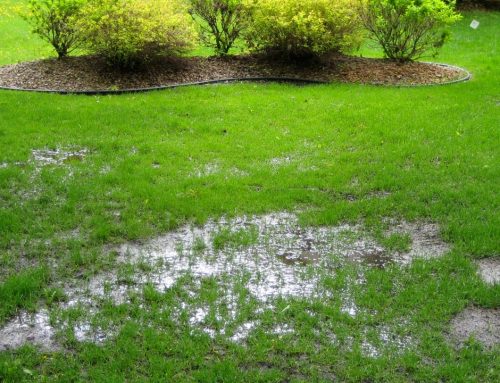
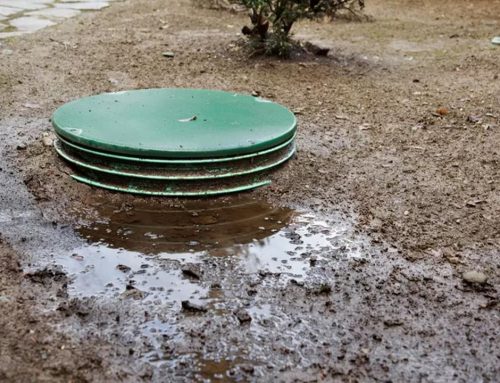
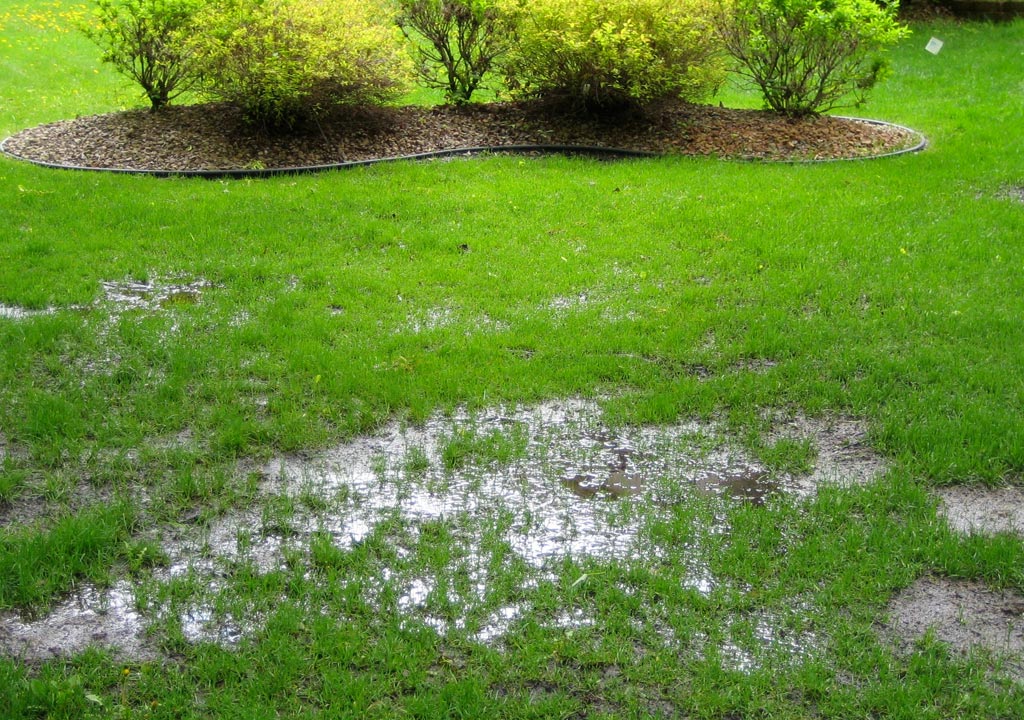
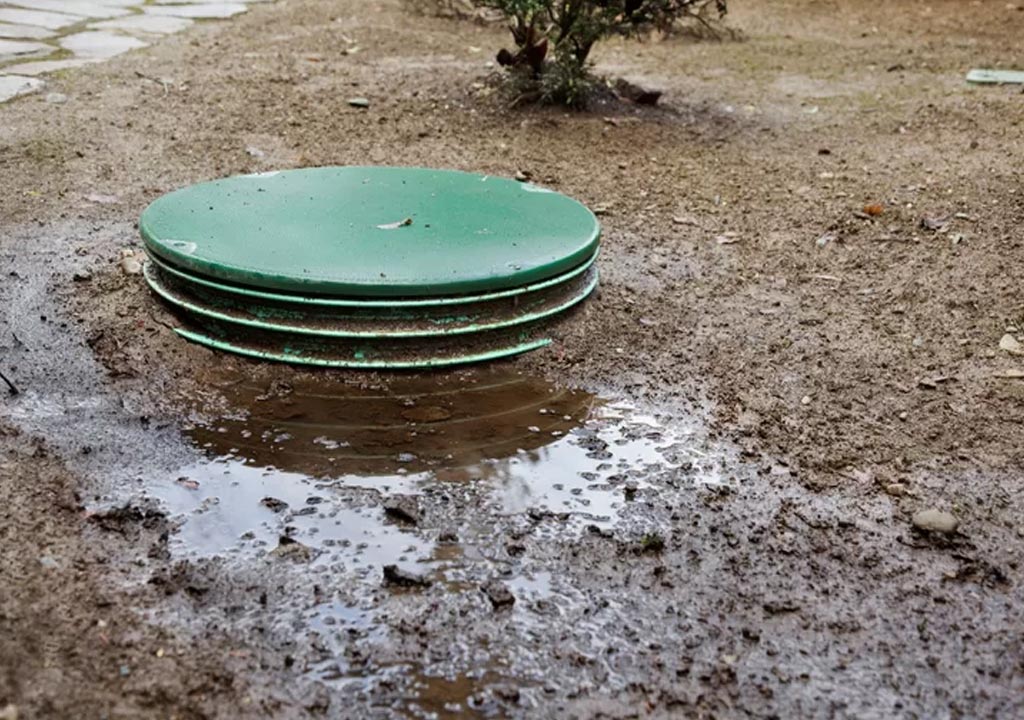
A slow-draining sink or gurgling toilet might not seem urgent, but these are often early red flags. Unpleasant odors, standing water in the yard, or unusually green grass above your drain field all point to possible trouble.
Delaying action can cause minor issues to escalate into full-blown emergencies. If something seems off, don’t wait. Schedule a service check to catch the problem early.
Preventive Maintenance Checklist: Simple Habits That Save You Money
Preventive septic system maintenance doesn’t have to be complicated. With a few consistent habits and seasonal check-ins, you can reduce the risk of major repairs and keep your routine septic maintenance on track year-round.
Daily and Weekly Habits:
- Avoid flushing wipes or pouring grease down the drain.
- Space out laundry and dishwashing cycles.
- Use septic-safe cleaning products.
Seasonal and Annual To-Dos:
- Mark your calendar for routine septic tank maintenance.
- Review water usage and fix any leaks.
- Prepare for heavy rains with proper landscaping to avoid field saturation.
When to Call the Pros:
- Before listing your home for sale.
- If you notice warning signs.
- For scheduled inspections and system health assessments.
Start Protecting Your Septic System Today
A few small steps taken now can prevent massive expenses later. With routine septic system maintenance and smart daily habits, your system can last for decades.
Want help staying ahead of septic problems? Contact Mathis and Sons to schedule a preventive maintenance check. Our local team understands Florida’s systems and how to keep them running efficiently.